

The Digital Actor's Studio • Segment 04: The Narrative Pacing
Character → World → Performance → Cinematography → 05 → 06 → 07 → 08 → 09 ::: Shot Rhythm, Camera Logic, and the Spatial Grammar of the Cut.

This is the exact point in the series where we break the timeline open. We have a character who can breathe (01 - Character), rooms that tell a story (02 - World), and an acting pass that holds emotional weight (03 - Performance). But if you stitch those clips together without a strict structural rhythm, you don’t have a movie; you just have an expensive asset gallery.
A single generative video clip is an isolated image in motion. An edit is a thesis.
Most AI video tutorials teach you to generate five visually interesting 4-6 second clips and throw them onto a timeline over a trending audio track. That is not cinematography. It is an algorithmic sequence. It demands nothing from the viewer because it cost the creator nothing to stitch together.
You can feel the difference immediately. Not because the clips are bad. Because there’s no argument being made. No tension. No release. Just... content filling time.
Here’s the reframe that changes how you direct:
Pacing is not about speed. It’s about contrast.
A fast edit feels fast because the shot before it was slow. A quiet moment lands because the chaos before it was deafening. The rhythm doesn’t live in any single clip — it lives in the relationship between clips.
This is the director’s superpower. And it is entirely human. No AI engine generates this. You impose it.
The CORE Principle: The Editorial Collision
In the [Hu]man Element framework, pacing is driven by contrast, not continuity.
If your pacing is flat, the AI’s inherent “sameness” takes over. Every clip looks like the last one — same color temperature, same camera distance, same emotional register. Technically competent. Narratively inert.
To break that, we use what I call the Editorial Collision — a deliberate, intentional clash between two scenes that forces the viewer to feel the psychological gap between them.
For Brad, that collision happens between two worlds he occupies but doesn’t reconcile:


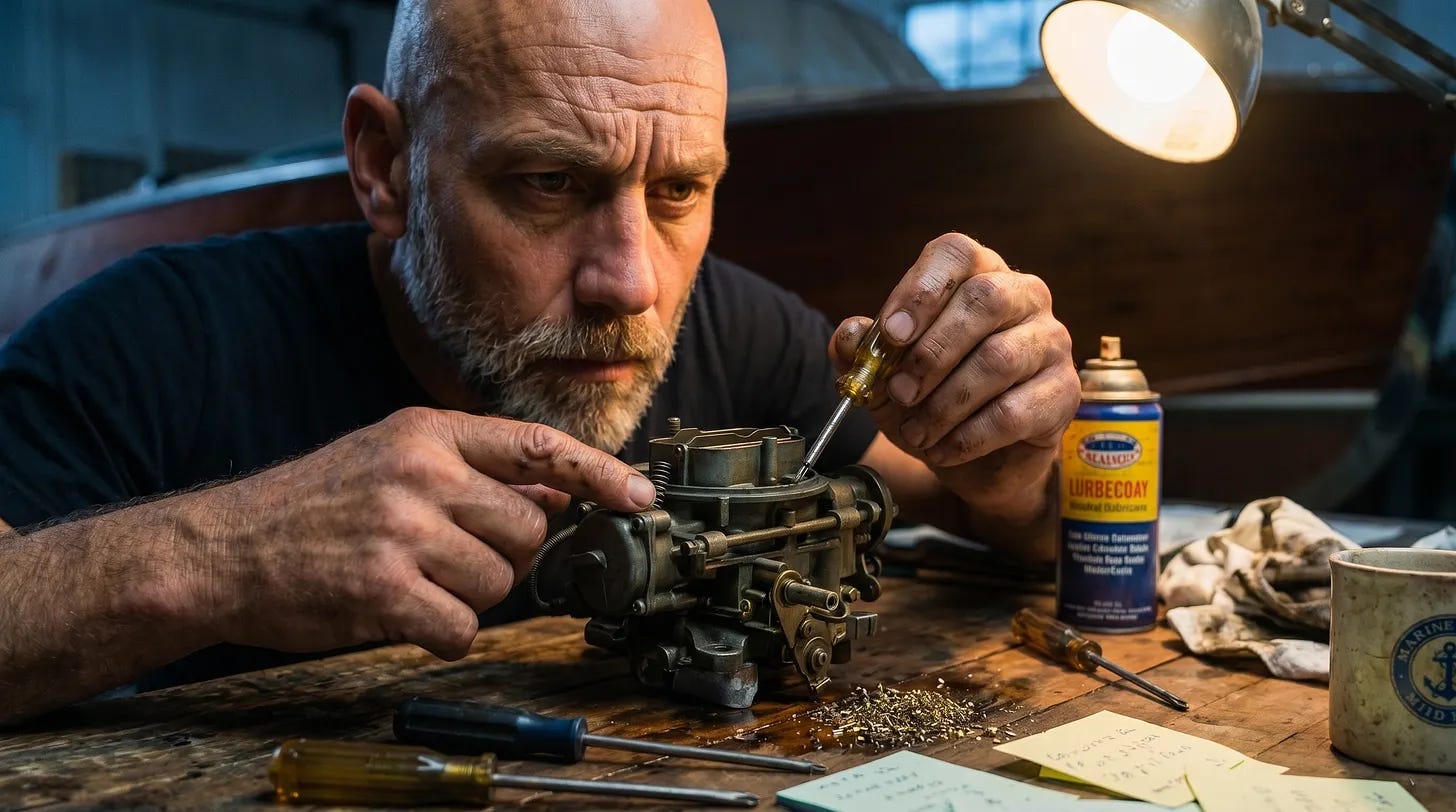
The Workshop (Scene 1): Slow. Heavy. Deliberate. The camera logic is static or locked to tight macro movements — the jitter of a tool, the slow drift of smoke under an incandescent lamp. The pacing mimics the grueling, multi-hour reality of manual restoration. Every cut earns its place. Nothing is wasted.
The Showroom (Scene 2): When Brad steps into the MasterCraft dealership, the pacing breaks. Sharp, clinical wide-angle shots. Rapid cuts, unprompted, sweeping — reflecting the sensory overload of a man navigating profound Imposter Syndrome in a space that feels entirely too perfect for his calloused hands.
The collision between these two rhythms communicates Brad’s internal state without a single line of dialogue. The edit is the performance.
That is what you are directing.
The cut is the line of dialogue you never had to write.
Behind the paywall: the full director's methodology — how to prompt camera physics, execute the match cut, and lock spatial continuity across a multi-shot sequence.
